- What is Zari?
- A Brief History of Zari
- Types of Zari
- Real vs Fake Zari — Key Differences
- How to Identify Real Zari
- How Zari is Made
- Handloom Zari vs Machine-Made Zari
- Why Real Zari is Expensive
- Which Sarees Use Real Zari?
- How Sellers Mislead Buyers
- Common Myths About Zari
- Care Tips for Zari Sarees
- Should You Buy Real Zari?
- Zari in Modern Fashion
- Conclusion
Zari is not just thread. It is luxury woven into fabric. For centuries, zari has defined the richness of Indian textiles. It shines on Banarasi sarees and elevates Kanjivaram silks. It adds royalty to bridal wear.
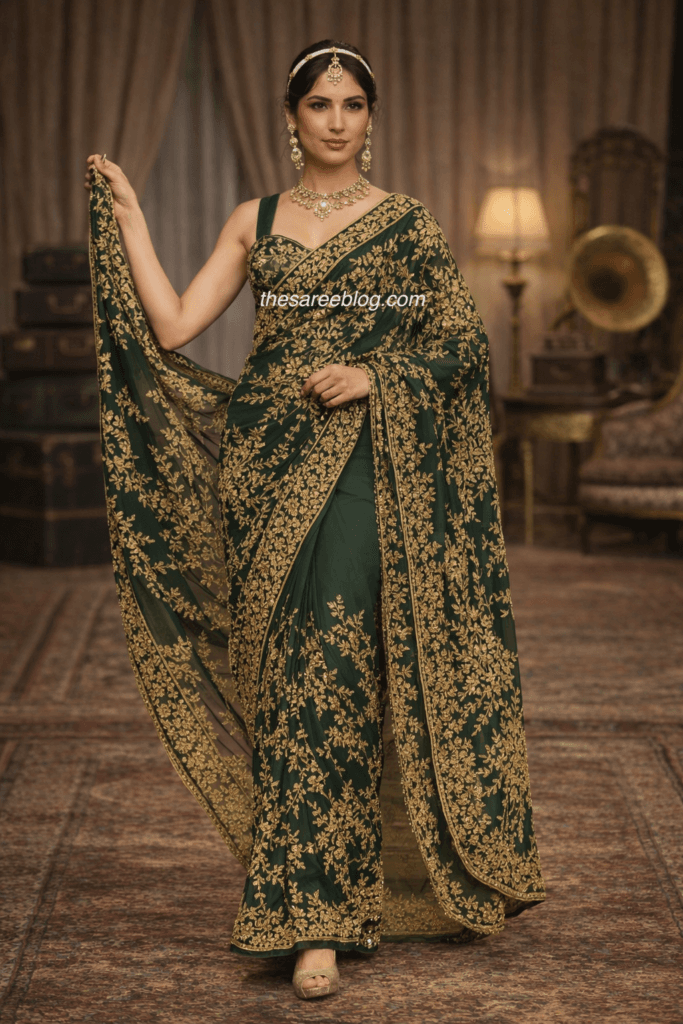
But today, not all that shines is real. The market is full of imitation zari. Many buyers cannot tell the difference. Some pay high prices for fake work. Others avoid zari altogether due to confusion.
So, how do you know what you are buying? This guide explains everything. Simple. Clear. Practical.
What is Zari?
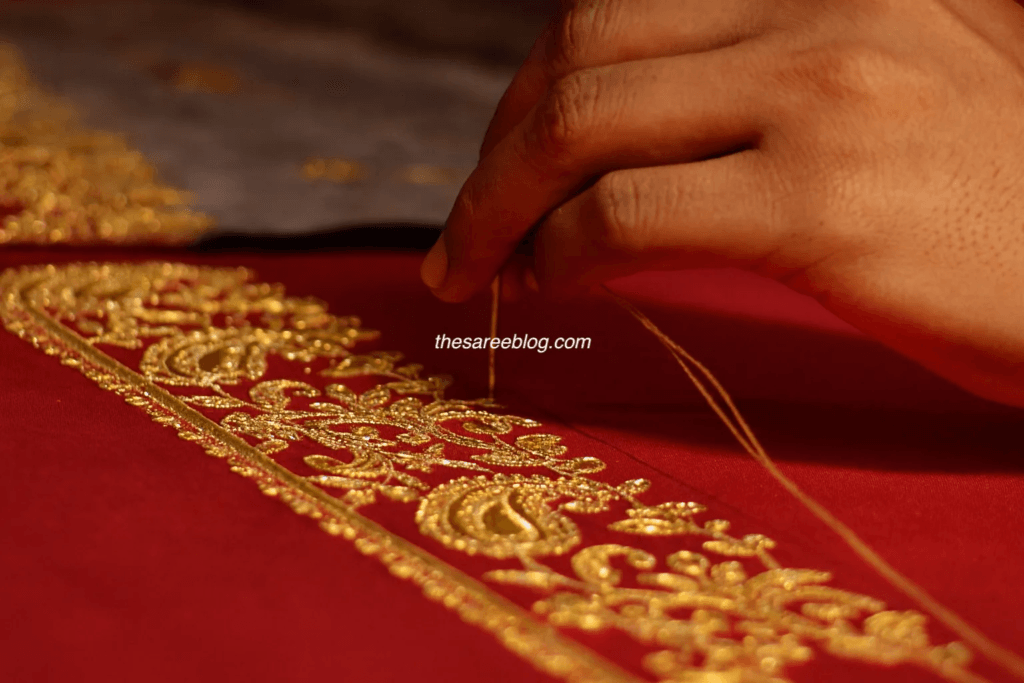
Zari is a special thread used in weaving and embroidery.
Traditionally, it is made by wrapping real gold or silver over a silk thread. This creates a metallic finish that looks rich and elegant.
It is used in sarees, lehengas, dupattas, and many traditional garments. Zari adds shine, texture, and a royal appeal to the fabric.
Even a simple saree can look festive with the right zari work. That is the power of this thread.
A Brief History of Zari
Zari has deep roots in Indian textile history.
It flourished during the Mughal era. Royal courts demanded luxurious fabrics. Skilled artisans responded by creating intricate designs using gold and silver threads.
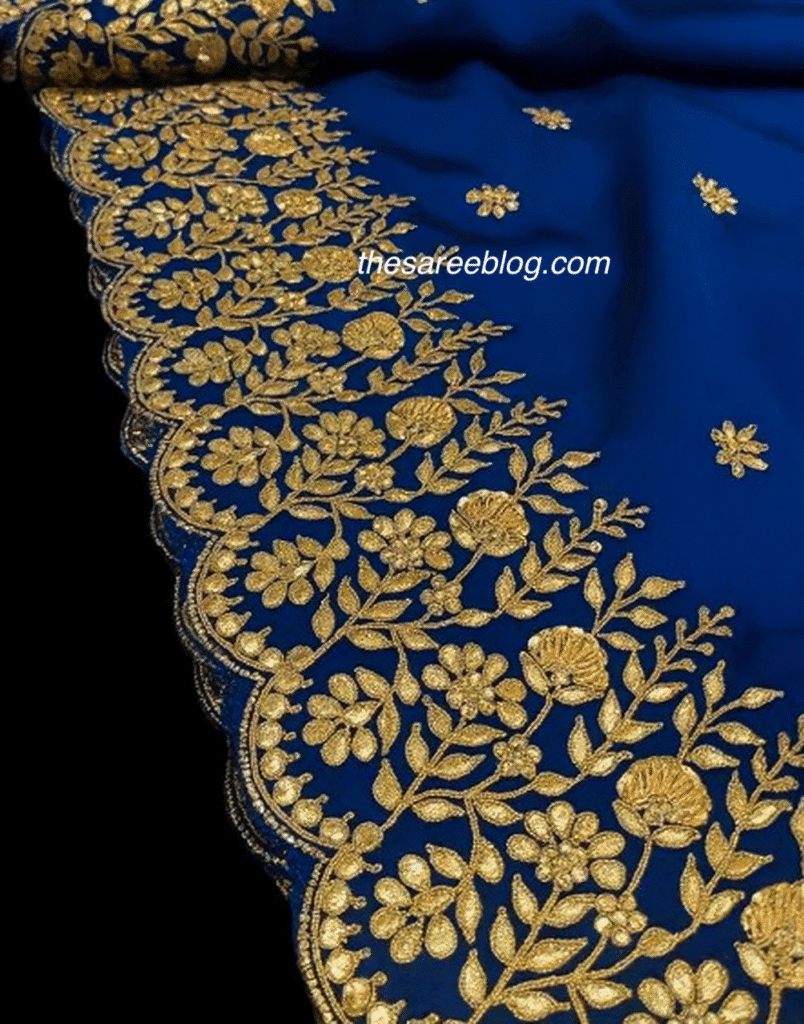
Over time, zari became a symbol of wealth and status. It was worn by kings, queens, and nobility.
Cities like Surat and Varanasi became major centers of zari production. These regions still continue the legacy today.
Zari is not just decoration. It is heritage woven into fabric.
Types of Zari
Not all zari is the same. Understanding the different types helps you make better buying decisions.
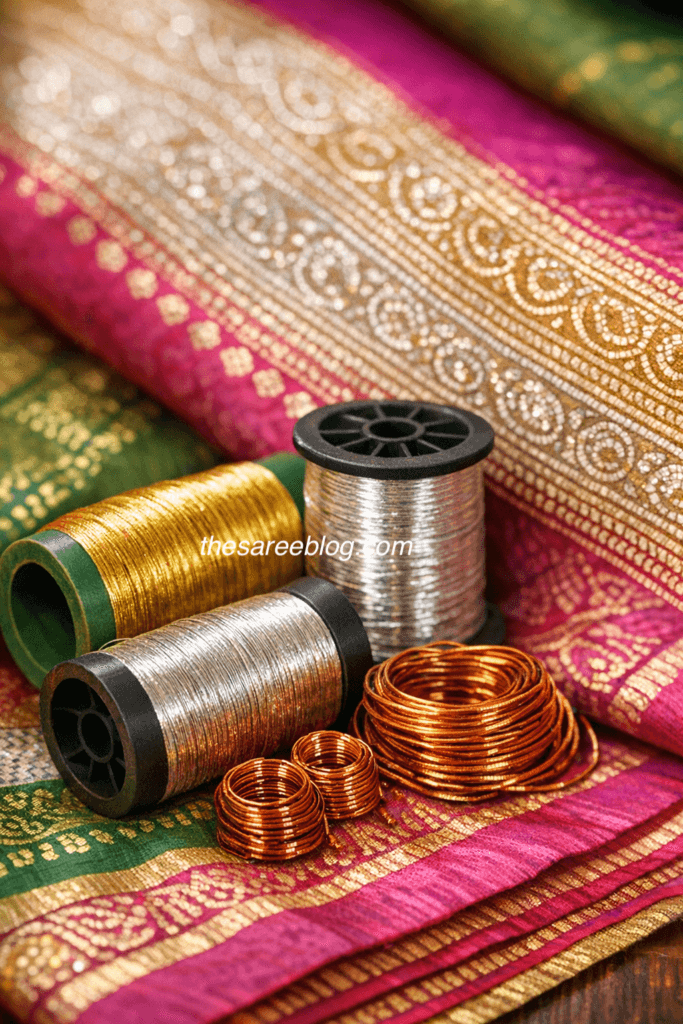
1. Pure Zari (Real Zari)
Pure zari is the most authentic and luxurious type.
It is made using real silver, often plated with gold. This metal is flattened into thin strips and wrapped around a silk thread.
Features of pure zari:
- Soft and rich shine
- Extremely durable
- Does not tarnish easily
- Feels smooth and flexible
Pure zari is expensive. It is usually found in high-end sarees and bridal collections. These sarees are often treated as heirlooms.
2. Tested Zari
Tested zari is a more affordable alternative.
It uses copper as the base metal. A layer of silver is coated on top. Sometimes, a small amount of gold polish is added.
Features of tested zari:
- Bright and attractive shine
- Moderate durability
- More affordable than pure zari
- Slightly stiffer than pure zari
Most mid-range sarees today use tested zari. It offers a balance between cost and appearance.
3. Imitation Zari (Fake Zari)
Imitation zari is the cheapest type.
It is made from plastic or polyester threads with a metallic coating. It is mass-produced and widely available.
Features of fake zari:
- Very shiny, often overly bright
- Low durability
- Tarnishes quickly
- Feels rough or plasticky
At first glance, fake zari may look attractive. But over time, it loses its shine and quality.
Real vs Fake Zari — Key Differences
Here is a simple comparison:
| Feature | Real Zari | Tested Zari | Fake Zari |
|---|---|---|---|
| Material | Silver + gold | Silver + copper | Plastic/polyester |
| Shine | Soft, rich | Bright but balanced | Very shiny, artificial |
| Durability | Very high | Medium | Low |
| Price | Expensive | Moderate | Cheap |
| Tarnishing | Rare | Possible over time | Very fast |
| Feel | Smooth, soft | Slightly stiff | Rough or plasticky |
This table gives a quick overview. But in real life, identifying zari requires closer observation.
How to Identify Real Zari
You do not need expert knowledge. A few simple checks can help.
1. Observe the Shine
Real zari has a subtle glow. It looks elegant, not flashy.
Fake zari looks too bright. The shine feels artificial and harsh.
If it looks overly shiny, it is likely imitation.
2. Check the Back Side of the Fabric
Turn the saree and look at the reverse side.
Real zari shows neat weaving patterns. The threads are well integrated into the fabric.
Fake zari often looks messy. Sometimes it appears glued or uneven.
3. Thread Test
If you find a loose thread at the edge, examine it carefully.
Real zari will show a silk core inside.
Fake zari will reveal a plastic or synthetic core.
This is one of the most reliable indicators.
4. Rub Test
Gently rub the zari with your fingers.
Real zari will not lose its color or shine.
Fake zari may dull or show slight discoloration.
5. Price Awareness
Price is an important clue.
If a saree claims to have pure zari but is priced very low, it is unlikely to be genuine.
Real zari is always expensive because of the materials and craftsmanship involved.
How Zari is Made
Understanding the process helps you appreciate its value.
First, a silk thread is chosen as the base. This thread acts as the core.
Next, silver is flattened into extremely thin strips. In pure zari, this silver is coated with gold.
These metallic strips are then carefully wrapped around the silk thread. This requires precision and skill.
After wrapping, the thread is polished to give it a smooth finish.
Finally, the zari thread is used in weaving. Artisans create intricate patterns on handlooms, combining skill and tradition.
This process is time-consuming. It involves multiple steps and skilled labor. That is why real zari is rare and valuable.
Handloom Zari vs Machine-Made Zari
Another important distinction is between handloom and machine-made zari work.
Handloom Zari
- Created by skilled artisans
- Designs are intricate and unique
- Slight irregularities add character
- More durable and valuable
Machine-Made Zari
- Produced quickly in large quantities
- Designs are repetitive
- Less attention to detail
- Usually paired with imitation zari
Handloom zari carries a story. Machine-made zari focuses on speed and cost.
Why Real Zari is Expensive
Real zari involves precious metals like silver and gold.
The process of making zari is also labor-intensive. Skilled artisans spend hours, sometimes days, creating detailed work.
Additionally, handloom weaving takes time. It cannot be rushed.
The cost also includes:
- Rising silver prices
- Gold plating
- Artisan wages
So, when you buy a pure zari saree, you are not just paying for fabric. You are paying for craftsmanship, heritage, and time.
Which Sarees Use Real Zari?
Traditionally, real zari is used in premium sarees.
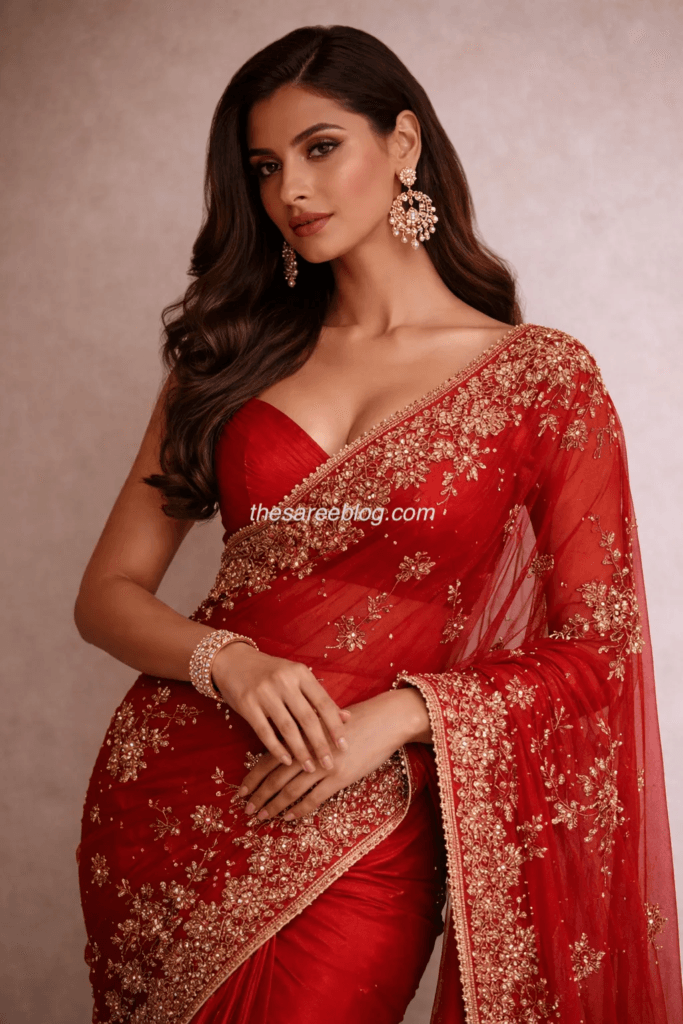
These include:
- Banarasi sarees
- Kanjivaram sarees
- Paithani sarees
These sarees are often worn for weddings and special occasions.
However, many modern sarees use tested or mixed zari to reduce costs. This makes them more accessible but less durable.
Always ask about the type of zari before buying.
How Sellers Mislead Buyers
Many buyers are unaware of zari types. Some sellers take advantage of this.
Common tactics include:
- Labeling tested zari as pure zari
- Highlighting shine instead of quality
- Using terms like “premium zari” without clarity
To avoid confusion, always ask specific questions:
- Is it pure zari or tested zari?
- What metal is used?
- Is it handloom or machine-made?
Awareness is your best protection.
Common Myths About Zari
Myth 1: Heavy sarees always have real zari
Weight does not guarantee authenticity. A saree can be heavy due to fabric or weaving style.
Myth 2: More shine means better quality
Real zari is elegant, not flashy. Too much shine often indicates synthetic material.
Myth 3: Expensive sarees always have pure zari
High price can be due to branding, design, or fabric. It does not always mean real zari.
Care Tips for Zari Sarees
Proper care can extend the life of your saree.
- Store in a muslin cloth
- Avoid plastic covers
- Keep away from moisture
- Do not spray perfume directly on zari
- Always dry clean
Refold the saree occasionally to prevent creases from damaging the zari.
Good care ensures that the shine lasts for years.
Should You Buy Real Zari?
The choice depends on your purpose.
Choose real zari if:
- You are buying a bridal saree
- Want an heirloom piece
- You value authenticity and durability
Choose tested zari if:
- You need something affordable
- Wear sarees occasionally
- You want a balance of beauty and cost
Avoid fake zari if:
- You want long-lasting quality
- You care about craftsmanship
Zari in Modern Fashion
Zari is no longer limited to heavy bridal wear.
Designers now use it in subtle ways. Minimal borders, delicate motifs, and lightweight sarees are becoming popular.
Zari is also used in fusion wear. It appears in blouses, jackets, and contemporary outfits.
This makes zari more versatile. It can be worn not just for weddings, but also for festive and everyday occasions.
Conclusion
Zari is more than decoration.
It is history, art, and identity.
Understanding the difference between real and fake zari helps you make better choices.
It allows you to:
- Spend wisely
- Appreciate true craftsmanship
- Support skilled artisans
The next time you buy a saree, do not just look at the shine.
Look deeper.
Because real zari does not just shine.
It endures.